
Speakers
The DxA is pleased to welcome leading experts in the field from biotech, pharma, academia, and venture capital sectors to discuss the future of Alzheimer’s diagnostics.
Please find speaker information and participation details below.

Rhoda Au, PhD
Rhoda Au, PhD, MBA is a Professor of Anatomy & Neurobiology, Neurology, Medicine, and Epidemiology at Boston University’s Chobanian & Avedisian School of Medicine & a Director of Neuropsychology and Principal Investigator of the Framingham Heart Study Brain Aging Program.
Dr. Au’s research focuses on aging and dementia, integrating cardiovascular, neuroimaging, and neuropathological measures with cognitive outcomes.
A global leader in digital biomarker innovation, Dr. Au is pioneering the use of multi-sensor, technology-driven platforms to detect Alzheimer’s disease decades before clinical symptoms appear. Her work leverages smartphones, tablets, and low-engagement digital tools to enable scalable, accessible, real-world monitoring of brain health. As Director of Global Cohort Development for the Davos Alzheimer’s Collaborative, she advances international data integration and equitable research participation.
In recognition of her contributions to transforming Alzheimer’s diagnostics, Dr. Au received the 2023 Melvin R. Goodes Prize for Excellence in Alzheimer’s Drug Development for her groundbreaking work with digital biomarkers, marking the first time the award honored a researcher focused on diagnostic technologies.
Her long-term vision centers on shifting the field from precision Alzheimer’s medicine toward precision brain health, using technology to expand early detection, improve prevention, and catalyze global solutions for neurodegenerative disease.
Richard Batrla, MD, PhD, MBA
Richard Batrla, MD, PhD, MBA, is the Chief Medical Officer of Sunbird Bio and a seasoned medical affairs and clinical development leader with more than three decades of experience advancing diagnostics and therapeutics in neuroscience. He leads Sunbird Bio’s clinical and medical strategy, overseeing clinical validation, regulatory planning, and real world evidence generation for the company’s pioneering blood based diagnostic platform, designed to directly detect disease specific aggregated proteins implicated in neurodegenerative disorders.
Dr. Batrla brings deep expertise in Alzheimer’s disease, having most recently served as Vice President and Head of U.S. Medical Affairs at Eisai. In this role, he led the U.S. medical launch of LEQEMBI® (lecanemab), shaping key medical strategies and preparing the foundation for global rollout of this first in class anti amyloid therapy. Prior to Eisai, he held global leadership roles at Novartis, guiding the medical development of investigational candidates for neurological conditions, and spent more than 15 years with Roche, where he established and expanded the company’s neurological diagnostics clinical program.
Throughout his career, Dr. Batrla has focused on bridging pharmaceutical innovation with advanced diagnostics to accelerate therapeutic development and improve patient outcomes. His work in neuroscience and biomarker science reflects his commitment to advancing precision medicine in Alzheimer’s disease and related neurodegenerative conditions.
David Berron, PhD
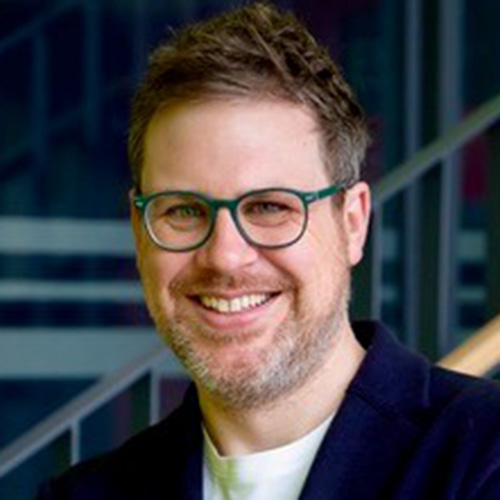
David Berron, PhD : Co-Founder and Chief Science Officer, neotiv GmbH Research Group Leader, German Center for Neurodegenerative Diseases (DZNE).
Dr. David Berron is a cognitive neuroscientist and Research Group Leader at the German Center for Neurodegenerative Diseases (DZNE) in Magdeburg, Germany. where he leads the Clinical Cognitive Neuroscience group. His research focuses on understanding and detecting the earliest cognitive and brain changes associated with Alzheimer’s disease by integrating high-resolution neuroimaging, molecular biomarkers, and digital cognitive assessments.
Dr. Berron’s work investigates the functional architecture of memory—particularly medial temporal lobe systems—using advanced 3T and 7T MRI and examines how amyloid and tau pathology disrupt these networks in preclinical and prodromal stages of Alzheimer’s disease. He also develops remote, unsupervised digital cognitive markers, leveraging smartphones and tablets to enable scalable monitoring and support clinical trial readiness.
He earned his PhD in Cognitive Neuroscience from Otto-von-Guericke University Magdeburg and completed influential postdoctoral training at Lund University, where he remains an affiliated researcher with the Clinical Memory Research Unit and the BioFINDER study. His contributions extend to international initiatives, including leadership within the JPND expert group on Remote Cognitive Assessment and co-founding neotiv GmbH, dedicated to translating memory-science research into digital tools for clinical and research use.
Niranjan Bose
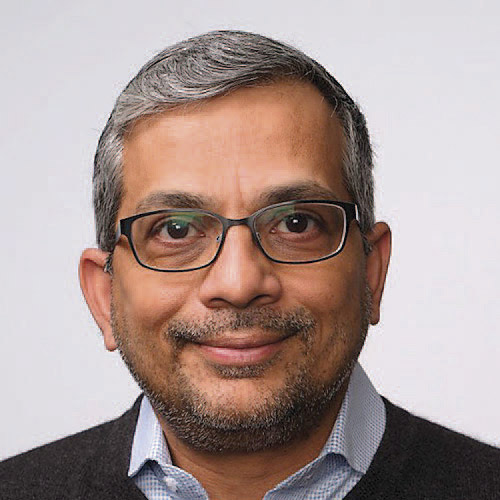
Niranjan Bose is currently the Interim Executive Director of the Alzheimer’s Disease Data Initiative and Managing Director (Health & Life Sciences Strategy) at Gates Ventures LLC, where he serves as the Science Advisor to Mr. Bill Gates. Prior to joining Gates Ventures in August 2014, he was the Chief of Staff to the President of the Global Health Program at the Bill & Melinda Gates Foundation.
He was with the Gates Foundation from 2007 through 2014, which included a few years with their Enterics and Diarrheal Diseases (EDD) program strategy team, where he was responsible for managing a portfolio of investments, which included clinical development of enteric vaccines (rotavirus, cholera, enterotoxigenic E coli and shigella).
Niranjan holds a Ph.D. in biochemistry from Dartmouth College and an MS in biological sciences and BS in pharmaceutical sciences from Birla Institute of Technology and Science, Pilani, India. He also received the Business Bridge Diploma from the Tuck School of Business at Dartmouth.
Erez Eitan, PhD
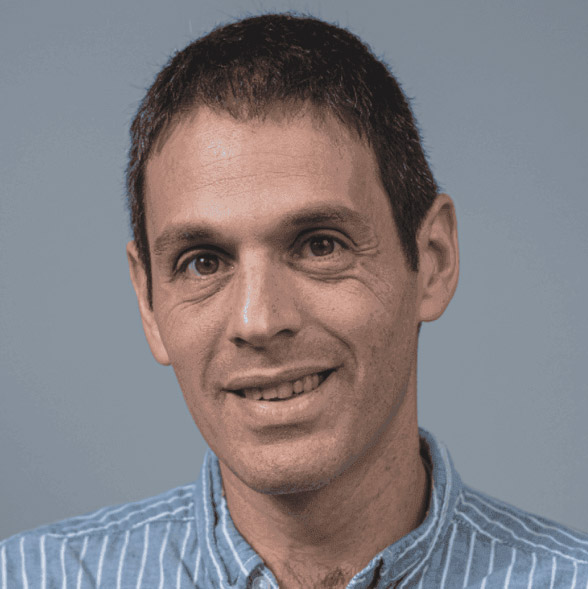
Dr. Erez Eitan, PhD is the CEO and Chief Scientific Officer of NeuroDex (www.neurodex.co), a biotechnology company developing blood-based biomarkers for neurodegenerative diseases. A neuroscientist specializing in extracellular vesicle biology, his work focuses on using neuron-derived extracellular vesicles isolated from blood to detect and monitor brain pathology in disorders such as Alzheimer’s disease, Parkinson’s disease, and ALS. Dr. Eitan previously conducted research at the National Institute on Aging (NIA) and has authored numerous peer-reviewed publications on extracellular vesicles and neurodegeneration.
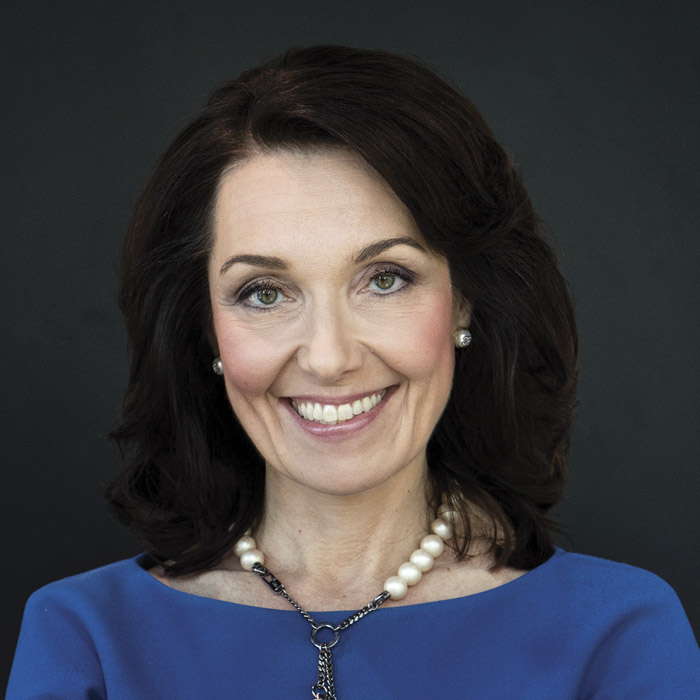
Miia Kivipelto, MD, PhD
Dr. Miia Kivipelto is a neurologist and Professor of Clinical Geriatrics at Karolinska Institutet, internationally recognized for her leadership in dementia prevention research. She leads large-scale, multidomain lifestyle intervention studies and global collaborative initiatives aimed at reducing dementia risk and advancing precision prevention strategies.

Lampros Kourtis
Dr Kourtis is the Program Director at SpeechDx, a longitudinal, multi-language study to collect and harmonize speech and language for AD research. He is a cofounder and Chief Science Officer at Chronicles Health, on a mission to help patients manage complex autoimmune diseases. Previously, Dr Kourtis has founded and led biomaterials companies Biomimedica and Hyalex Orthopaedics now in clinical phase. He also worked as a Chief Engineer at Eli Lilly Cambridge Innovation Center. Moreover, he is an adjunct assistant professor at Tufts School of Medicine (CTSI). He holds a PhD in ME from Stanford University and holds over 25 patents on biomaterials, medical devices, digital biomarkers and IoT solutions.

Melissa Lee, PhD

Niklas Mattsson‑Carlgren, MD, PhD
Niklas Mattsson Carlgren, MD, PhD, is an Associate Professor and Senior Lecturer in Clinical Neuroscience at Lund University and a neurologist at the Memory Clinic at Skåne University Hospital in Malmö, Sweden. His research focuses on Alzheimer’s disease and other neurodegenerative disorders, spanning molecular mechanisms, biomarker discovery, and clinical disease characterization from preclinical stages to advanced dementia.
He is internationally recognized for his contributions to the development and validation of advanced fluid biomarkers, particularly plasma based phosphorylated tau markers such as p tau217—which have transformed diagnostic and prognostic approaches in Alzheimer’s disease. His work integrates biochemical assays, neuroimaging, and genetic analyses to improve diagnostic accuracy, refine clinical trial design, and deepen understanding of disease mechanisms.
Dr. Mattsson Carlgren is a principal investigator for the BioFINDER studies, an internationally renowned program advancing biomarker based early detection and staging of Alzheimer’s disease. His research has resulted in more than 300 scientific publications and over 30,000 citations, with key findings published in journals such as JAMA, Nature Medicine, Neurology, and Brain. He completed his PhD at the University of Gothenburg (2006–2012), followed by a postdoctoral fellowship at the University of California, San Francisco (2012–2015), and has since been a leading figure in translational Alzheimer’s research at Lund University.

Jane Mclntosh
Greg Moore, MD, PhD
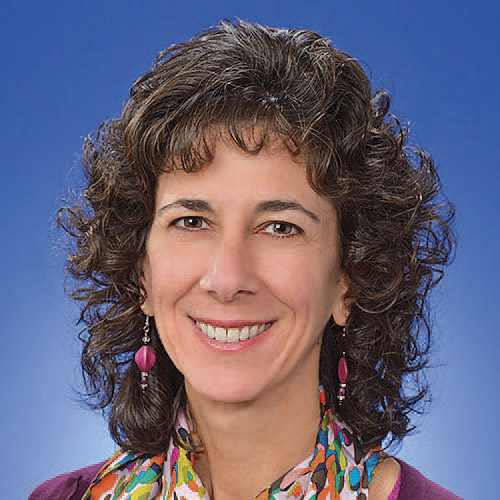
Laura Nisenbaum, PhD
Laura Nisenbaum, PhD, is the Executive Director of Drug Development at the Alzheimer’s Drug Discovery Foundation (ADDF), where she leads a team of scientists driving the organization’s mission to transform the future of diagnosis, treatment, and prevention for Alzheimer’s and other dementias. She oversees ADDF’s three interdependent scientific pillars: Therapeutics, advancing innovative, biomarker-driven strategies beyond amyloid to target novel mechanisms; Biomarkers, accelerating discovery and validation to enable earlier, more precise detection and guide therapeutic and prevention efforts; and Prevention, supporting precision approaches to delay or avert disease progression. In collaboration with Gates Ventures, she also directs the Diagnostics Accelerator, advancing cutting-edge tools and biomarkers to reshape dementia care. Under her leadership, ADDF leverages venture philanthropy, global collaboration, and scientific rigor to catalyze breakthroughs and drive the next era of precision medicine for Alzheimer’s and related dementias.
Dr. Nisenbaum brings over 30 years of experience spanning biotechnology, industry, and academia. Prior to ADDF, she was the Senior Director of Aducanumab Biomarkers and Diagnostic Pathways at Biogen and spent 20 years at Eli Lilly, where she held leadership roles in translational medicine, preclinical discovery, and early clinical development. Earlier in her career, Dr. Nisenbaum received a Fulbright Scholarship to study in Cologne, Germany. She then completed her PhD in neuroscience at the University of Pittsburgh and transitioned to industry after completing postdoctoral training at NIH and the University of Tennessee, and a faculty position at the University of Connecticut. She has contributed to the development of more than 15 novel therapeutics, including three FDA-approved drugs.

Miranda Orr, PhD
Dr. Miranda E. Orr, PhD, is an Associate Professor of Neurology at Washington University School of Medicine and a Research Health Scientist with the U.S. Department of Veterans Affairs. She is internationally recognized for pioneering work that established the mechanistic link between cellular senescence and tau pathology in Alzheimer’s disease, a discovery that has shaped new therapeutic strategies targeting aging biology.
Her translational research integrates spatial proteogenomics, tissue mapping, and multi-omics approaches to define how biological aging drives vulnerability to neurodegeneration. Dr. Orr has led groundbreaking clinical trials, including the first-in-human senolytic studies and an ongoing multinational Phase II trial evaluating senescent cell clearance in early Alzheimer’s disease. Her work has been supported by the NIH, the Department of Veterans Affairs, and leading Alzheimer’s foundations.
A recipient of the 2022 Melvin R. Goodes Prize for Excellence in Drug Development, Dr. Orr’s contributions have been published in major journals and featured in outlets such as National Geographic. Her laboratory is also designated as the first Bruker Spatial Biology Center of Excellence, reflecting her leadership in advancing spatial omics technologies for Alzheimer’s research.
Russ Paulsen
Russ Paulsen is a health policy leader serving as President and Chief Operating Officer at UsAgainstAlzheimer’s, where he advances advocacy, public policy, and system-level strategies to accelerate progress against Alzheimer’s disease. His career spans senior roles in nonprofit leadership, with a focus on aging, long-term care, and improving outcomes for older adults and their families.
Rachid Riad
Rachid Riad, PhD, is a computational neuroscientist and machine-learning researcher at the École Normale Supérieure (ENS) in Paris, working within the Laboratoire de Sciences Cognitives et Psycholinguistique (LSCP) and NeuroPsychologie Interventionnelle (NPI). His research focuses on developing AI-driven speech and behavior analysis tools to quantify cognitive, motor, and emotional functions in neurodegenerative diseases, including conditions with strong translational relevance to Alzheimer’s research.
Dr. Riad’s work bridges machine learning, speech processing, and precision neurology, using naturalistic spoken-language measures to detect subtle clinical changes that may support earlier and more scalable digital biomarker development. His publications include automated speech-based predictive models for clinical scoring in neurodegenerative disorders and tools for reliable behavioral annotation—approaches that align with emerging digital phenotyping strategies in Alzheimer’s disease research.
He earned his PhD at ENS Paris, where he developed computational methods to measure neurocognitive trajectories, and he currently co-leads projects applying AI and multimodal data science to advance next-generation, real-world assessments for neurological conditions.

Carrie Rubel, PhD
Dr. Rubel leads biomarker strategy across programs spanning early discovery through late-stage and marketed neurodegeneration therapies. She brings more than 15 years of experience advancing novel therapeutic and biomarker approaches in Alzheimer’s disease and related neurological disorders.
Her work includes leadership on high-impact clinical and translational biomarker studies, such as evaluating the concordance of CSF biomarkers with amyloid PET in the EMERGE and ENGAGE Phase 3 trials of aducanumab, expanding the evidence base for accessible, automated biomarker platforms to support earlier and more accurate Alzheimer’s diagnosis.
Dr. Rubel’s broader research contributions span analytical performance evaluation of plasma amyloid and tau assays, participation in comparative biomarker studies across multiple commercial platforms, and authorship on several Alzheimer’s disease biomarker publications within the ADNI research ecosystem.
She earned her PhD in Pharmacology with Highest Distinction from the UNC School of Medicine and has previously held scientific leadership roles in bioanalytical operations at BioAgilytix following earlier industry experience at Merck.